Maria Gracheva has been awarded with Akadémiai Ifjúsági díj – Academic Youth Award

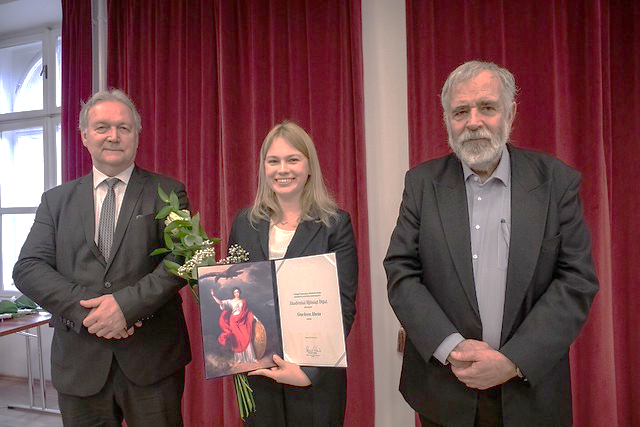
We are proud to announce that Maria Gracheva has been awarded with Akadémiai Ifjúsági díj – Academic Youth Award on the 23rd of February 2026. Title of her thesis is: “A Növényi Élet Fizikája: A Víz- és Fém-Transzport Feltárása a Növényi Ellenállóképesség Javításáért” – The Physics of Plant Life: Exploring Water and Metal Transport for Improving Plant Resilience The Academic Youth Award was initiated by the leaders of the Hungarian Academy of Sciences to acknowledge …

AUTUMN RADIOCHEMISTRY DAYS

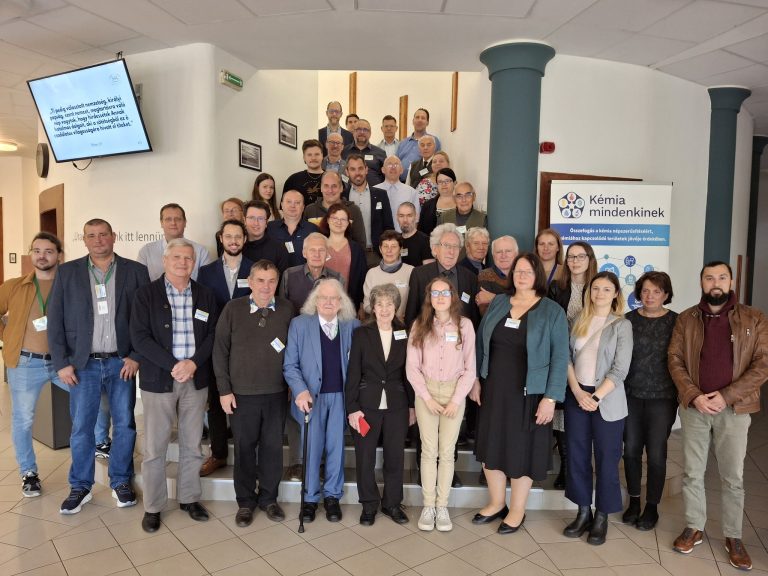
The 30th AUTUMN RADIOCHEMISTRY DAYS were held between October 13 and 16, 2025, in Balatonszárszó, jointly organized by the Scientific Committee on Radiochemistry of the Hungarian Academy of Sciences and its working committees, together with the Radioanalytical Section of the Hungarian Chemical Society. During the three days, 25 scientific presentations were given on various fields of radiochemistry, and four young researchers competed for the Attila Vértes Young Researchers’ Award. At the conference, Maria Gracheva, Renáta …

IAEA Conference HUN-REN EK Side event

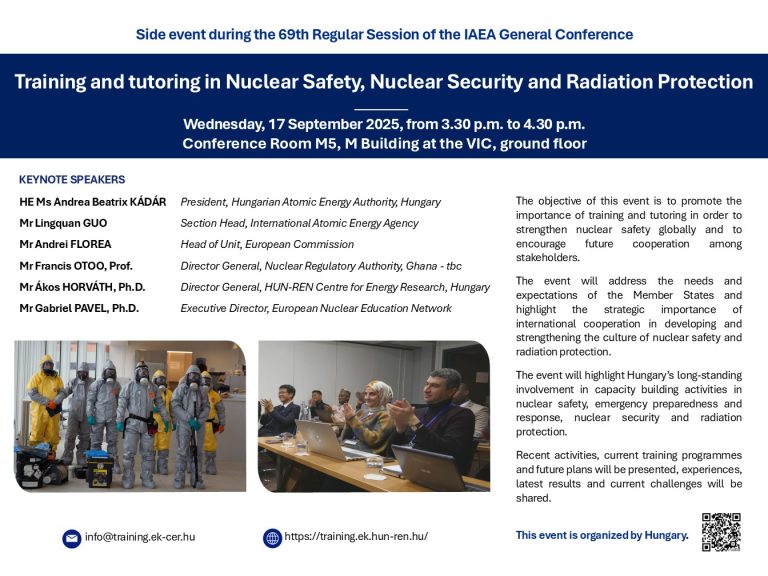
We’re excited to announce that the Side Event titled “Training and tutoring in Nuclear Safety, Nuclear Security and Radiation Protection” will be held in Vienna on 17 September, 2025 on the margins of the 69th Regular Session of the IAEA General Conference. The event will highlight Hungary’s long-standing involvement in capacity building activities in nuclear safety, emergency preparedness and response, nuclear security and radiation protection. The objective of this event is to also address efforts …

Where Do Alpha Emitters Go? New Study Maps Radioactive Trail in Cancer Therapy

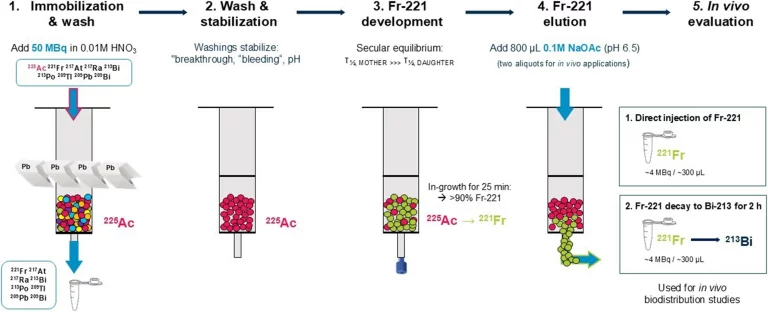
Targeted alpha therapy (TαT) is one of the most promising frontiers in cancer treatment. By using radioactive elements that emit highly energetic alpha particles, scientists can deliver lethal blows to cancer cells with extreme precision—damaging tumours while sparing surrounding healthy tissues. Among the most powerful tools in this approach is actinium-225 (Ac-225), a so-called “in vivo nanogenerator” that produces a cascade of radioactive daughter atoms inside the body. But there’s a catch: these daughters don’t …

Instead of animal testing: novel micro-devices can speed up drug development

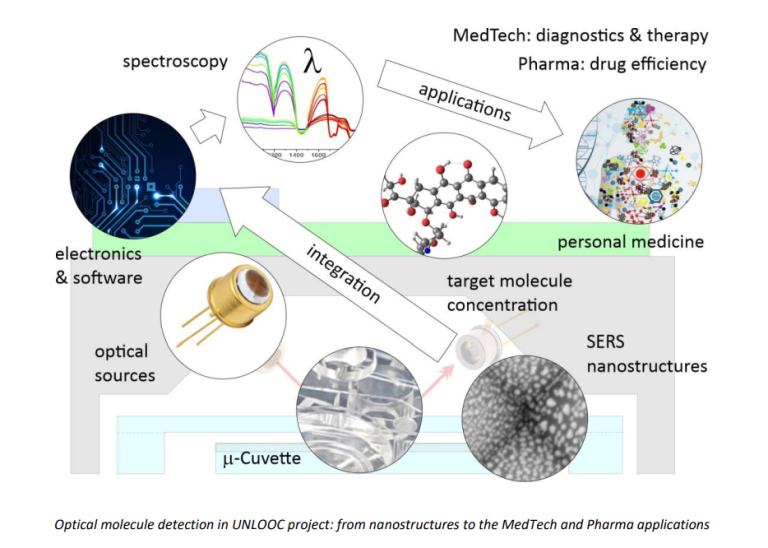
Researchers at the Institute of Engineering Physics and Materials Science of the HUN-REN Energy Research Centre (HUN-REN EK MFA) are involved in an international collaboration to develop complex microchips that can analyse artificially maintained cell cultures and tissues by applying highly integrated microelectronic, optical, microfluidic and microbiological systems supported by AI-based models. The rapidly evolving Organ-on-Chip technology aims to replicate the physiological and functional properties of human organs on a miniaturised platform – to comprehend …

New AI Model Help Make Solar Power More Predictable

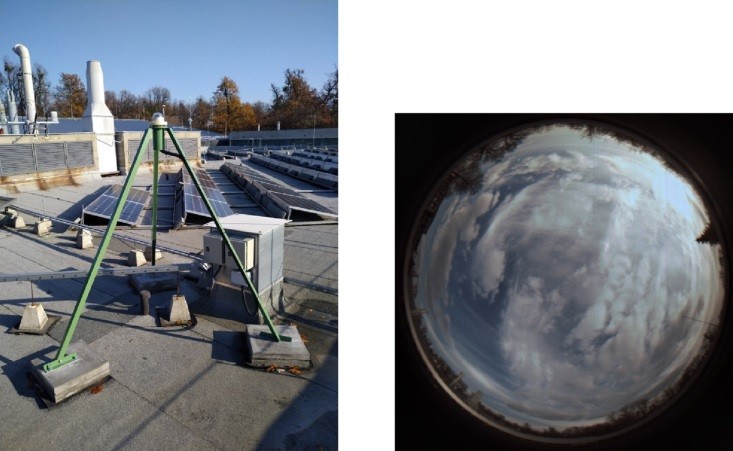
Solar energy is a key asset in the fight against climate change—but its reliability is challenged by the unpredictable nature of sunlight. A new AI-based model developed by Hungarian researchers offers a game-changing solution: it predicts solar irradiance with high accuracy minutes ahead, using minimal computing power. This innovation could greatly enhance the stability of green power grids and the efficiency of solar energy systems worldwide. Solar panels play a powerful role in combating climate …

In-Depth Study Uncovers Dynamics of Aerosol Emissions During Speech and Real-World Mask Performance

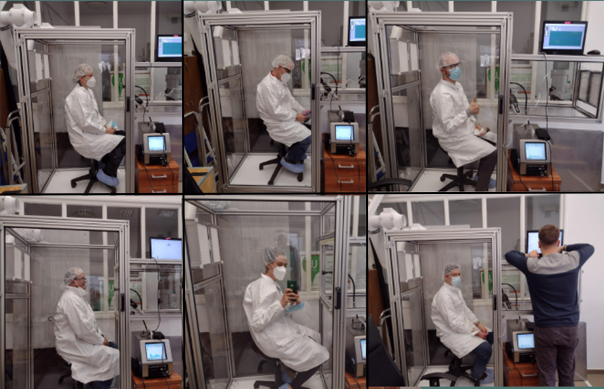
A new collaborative study sheds light on the dynamics of fine aerosol particles emitted from the human respiratory system during speaking, and evaluates how effectively different types of face masks filter them under real-world conditions. The research was conducted by scientists from the HUN-REN Centre for Energy Research, the HUN-REN Wigner Research Centre for Physics, and Semmelweis University, combining expertise from environmental physics, aerosol and medical sciences. Notably, the research was carried out with the …

New Insights into Plant Drought Resilience Through Neutron Scattering Technology

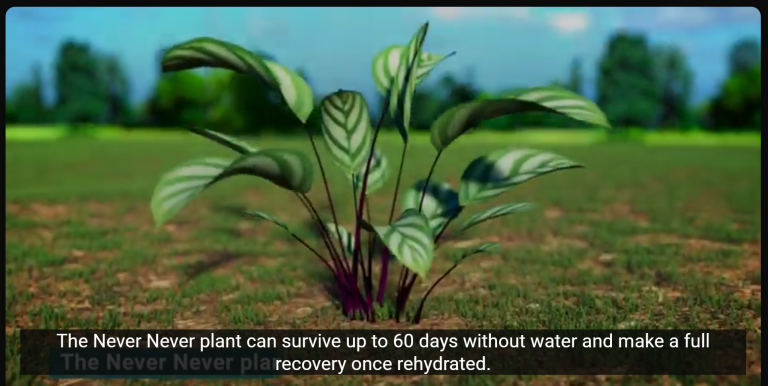
The HUN-REN Centre for Energy Research, Institute for Energy Security and Environmental Safety (HUN-REN EK EKBI), in collaboration with Eötvös Loránd University and Oak Ridge National Laboratory (ORNL, USA, Tennessee), is investigating the adaptation strategies of various photosynthetic organisms to drought stress. Their research has revealed that the ornamental plant called ‘never never plant’ can maintain the structure and function of its photosynthetic apparatus almost unchanged, even after a 45-day period of water deficit. This …

New materials and characterization technology contributes to the Qubit-based quantum computers by developments of HUN-REN EK MFA

Researchers from the Institute of Technical Physics and Materials Science of the HUN-REN Centre for Energy Research (HUN-REN EK MFA) participated in an international collaboration in the development of Qubits, which form the basis of quantum computers. During the project, they developed a JoFET Qubit that is compatible with silicon-based manufacturing processes, so it will be easier to upscale in production. The researchers used modern, new types of materials and developed characterization processes for TEM, …

The radiation protection container and lifting equipment essential for the safe operation of the European Spallation Source (ESS) have arrived to Lund

The radiation protection container and lifting equipment essential for the safe operation of the European Spallation Source (ESS) have arrived to Lund. The manufacturing of six additional containers and other supplementary structures continues. This first shipment, thanks to complex engineering work and manufacturer cooperation, marks a significant milestone for the future operation of ESS. The HUN-REN Center for Energy  Research (HUN-REN EK) is responsible for delivering the seven containers and associated lifting equipment to ESS …